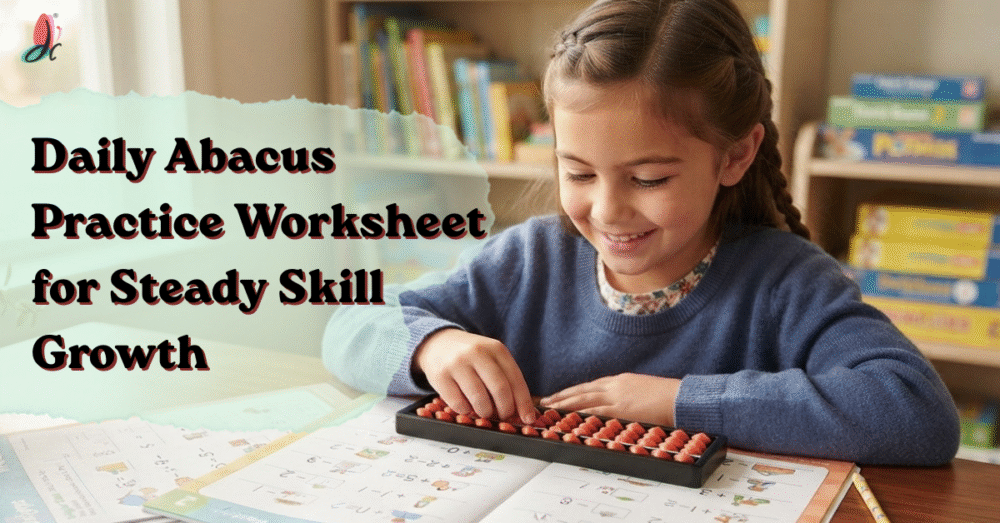
Daily Abacus Practice Worksheets: Building Speed, Accuracy, and Confidence Every Day
When children make steady gains, their learning tends to stick more fully. Rather than intense but rare efforts, routines built on repetition usually bring clearer advancement. Especially in abacus training, continuing step-by-step builds sharper number sense, focus, and inner assurance. Over time, structured worksheet activity proves highly useful for maintaining such rhythm. Practice done each day supports deeper familiarity, gradual skill growth, fewer mistakes. Regular exposure shapes comfort, even with complex steps later on. Little by little, predictability in tasks reduces hesitation during problem solving. For sustained development, frequent engagement matters greatly – more than isolated pushes through Abacus Practice Worksheets.
Learning at Delighted Champs moves forward through small, consistent steps. With every worksheet, skills take shape slowly, guided by repetition. Progress appears quietly, revealed in the details of finished tasks. Instead of pressure, there is routine – steady work shaping stronger habits. Over days, confidence grows as precision improves without force.
Daily Practice Changes Things
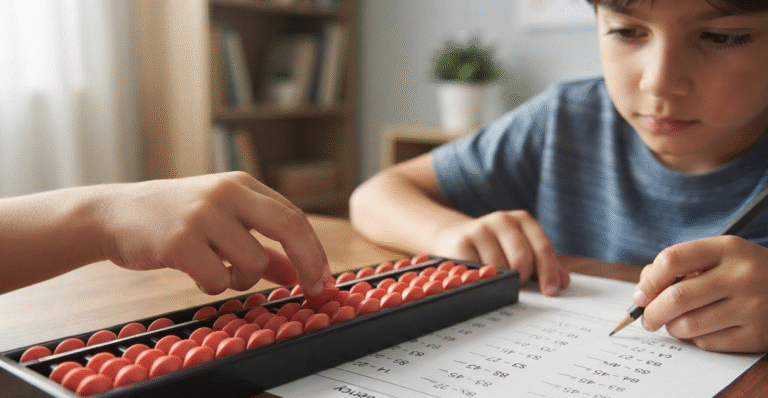
Mastering abacus methods goes beyond tracking how beads shift. With consistent practice, concentration grows stronger over time. Speed emerges not instantly, yet through repeated effort each session. Accuracy forms when attention stays steady during exercises. Mental imagery sharpens as routines become familiar week after week.
Daily practice helps learners:
- Strengthen foundational concepts.
- Improve numerical recognition.
- Build calculation speed.
- Reduce common mistakes.
- Increase confidence with arithmetic operations.
Should a child meet numbers regularly, their grasp of simple math grows steadier over time. Because practice follows routine, memory pathways form with greater clarity. This steady rhythm allows techniques to surface naturally when needed. Over days, what once felt unfamiliar settles into quiet understanding.
Building Accuracy with Repetition
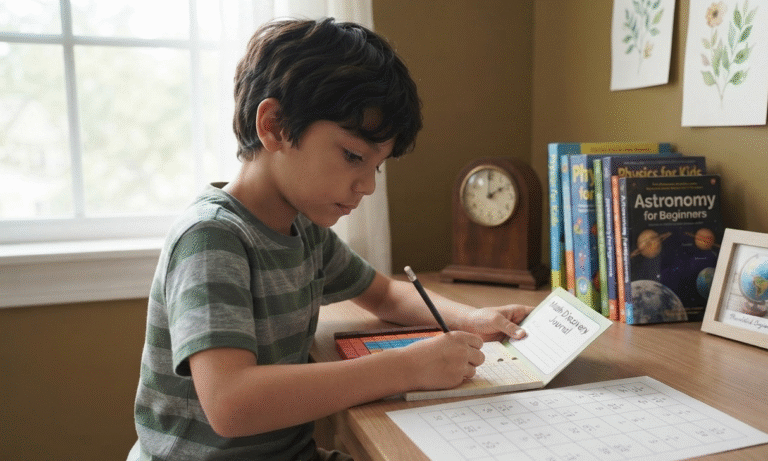
When accuracy comes into focus, it stands central in abacus practice. Correct results matter more than speed, even if pace seems impressive. With each day’s worksheet, methods take root slowly through steady repetition. Over time, precision shapes habit without effort.
Regular exercises help students:
- Mistakes become clearer when approached differently.
- Develop careful calculation habits.
- Improve attention to detail.
- Strengthen problem-solving consistency.
- Build trust in their own abilities.
Day by day, worksheet practice builds ease with various kinds of math tasks. Over time, comfort grows; errors shrink. Confidence rises when facing classroom work or tests because experience has settled in quietly. Mistakes fade not through force but repetition. Lessons feel less strange once patterns emerge clearly. What feels hard at first becomes ordinary through steady effort.
Worksheets Increase Speed
With growing familiarity, fluency in computation tends to emerge on its own. Through consistent practice, worksheet tasks help sharpen how quickly solutions are found.
Benefits include:
- Faster number processing.
- Improved mental calculation abilities.
- Greater fluency with arithmetic operations.
- Time pressure no longer weakens assurance. Instead, composure grows when minutes shrink.
Beyond routine drills, results grow sharper. With time, execution steadies. Progress appears without force. Each repetition builds quiet momentum. Improvement arrives through steady return.
Once skills turn habitual, attention shifts from single actions toward broader problem solving. With practice, efficiency grows alongside precision – effort fades into background. Focus widens when mechanics settle. Performance strengthens without conscious push. Routine frees mental space naturally. Accuracy deepens as steps blend smoothly. Speed emerges not by force, but through familiarity. The mind moves ahead while details run themselves.
Building Skills in Mental Math
Among the strengths found in abacus learning stands improved mental calculation. With progress comes an internal image of the device, allowing sums to unfold without touch or object. Instead of handling beads, thought alone guides each step forward.
Daily worksheets support this progression by encouraging:
- Number visualization.
- Mental concentration.
- Sequential thinking.
- Memory development.
- Logical reasoning.
With consistent practice, working through number-based tasks supports the growth of thinking skills needed for complex math. Gradually, problem-solving grows faster without losing precision. Though slow at first, confidence builds when routines include repeated calculation work.
Building Good Ways to Learn
Success tends to favor steady effort rather than bursts of energy. Daily short intervals of concentrated work may outperform extended efforts done sporadically. What matters most is regularity, not force.
Daily worksheet routines encourage:
- Self-discipline.
- Time management.
- Responsibility.
- Goal-oriented learning.
- Independent practice habits.
Success in school often grows from abilities used far outside math class. Effort matters when young learners see that steady work leads to results over time. What begins as simple practice may shape broader confidence later on. Progress appears not through sudden leaps but repeated actions done well. Lasting outcomes stem more from consistency than intensity, especially early on.
Supporting Classroom Learning
From time to time, practice sheets link classroom learning with solo work. When instruction ends, these tools help learners revisit key ideas – also revealing where confusion lingers.
Benefits of worksheet-based reinforcement include:
- Better retention of concepts.
- Continuous skill development.
- Increased confidence during lessons.
- More effective revision.
- Improved learning outcomes.
Through consistent routines, learners at Delighted Champs stay focused on growth without losing momentum. Progress unfolds gradually when methods are clear. Engagement holds strong where patterns support effort. Direction matters just as much as motion in reaching objectives.
Tracking Progress Over Time
A benefit emerges through consistent use of daily worksheets: progress becomes visible over time. As practice extends, shifts in skill level come into view for learners, their families, together with teaching staff. Performance patterns reveal themselves gradually, offering clear insight across weeks. Growth appears not all at once, yet unfolds steadily under routine effort.
Improvement can appear via:
- Faster completion times.
- Improved accuracy rates.
- Increased confidence.
- Better concentration.
- Stronger problem-solving abilities.
A clearer outcome encourages students to keep engaging with practice, while also allowing recognition of progress made through consistent effort.
Making Practice Enjoyable
When learning brings a sense of reward, children tend to stay involved longer. Success becomes possible through carefully shaped tasks found on worksheets, avoiding discouragement while maintaining progress. By balancing difficulty just right, these activities support steady advancement without overwhelm.
Effective practice materials often include:
- Gradual difficulty progression.
- Clear instructions.
- Age-appropriate exercises.
- Varied question formats.
- Motivating learning goals.
A sense of progress often grows when small wins repeat over time. With each step forward, effort feels less like risk. New tasks appear simpler once confidence forms. Willingness to try rises where frustration once slowed movement. Learning begins to carry its own weight.
Parents and Daily Practice
A child’s learning often improves when parents are involved. Because steady guidance strengthens focus, routines tend to form more easily. When encouragement is present, progress follows. Consistency creates space for growth over time.
Parents can support practice by:
- Setting a regular study schedule.
- Providing a quiet learning environment.
- Celebrating progress.
- Encouraging persistence.
- Maintaining a positive attitude toward learning.
Praise given quietly can lead a child to remain active while growing abilities. Yet small words now hold weight through time as effort unfolds.
Small Wins Every Day Build Steady Confidence
A single finished worksheet stands as a quiet success. With passing days, such moments gather, slowly building belief in one’s capacity to work with numbers.
Regular effort tends to shape learners:
- Those returning again see growth unfold slowly.
- Practice brings changes over time.
- Growth appears through repeated attempts.
- Improvement follows consistent work quietly.
- Stronger self-belief.
- Greater independence.
- Improved focus.
- Enhanced numerical skills.
- A positive approach to learning challenges.
Progress becomes clear through steady work, confidence follows. When growth is visible, belief strengthens naturally. Effort over time reveals ability, which builds assurance slowly. Seeing improvement shifts perception quietly. Results, not promises, shape self-trust gradually.
Daily Abacus Practice Changes Results
Progress in using the abacus seldom follows one session or sporadic attempts. Over time, steady repetition builds familiarity. Small advances accumulate when learners remain involved with number patterns. Growth emerges not from intensity but from consistency especially through an abacus course supported by structured learning tools like abacus daily practice sheets.
Day by day, practice using the abacus follows a path of gradual precision. Repetition strengthens attention, so consistent effort builds quietly. Over weeks, supported routines form ways of thinking that reach past classroom work. Progress grows quietly when routine becomes natural. Strong number sense emerges without sudden leaps – just regular attention.
Every day at Delighted Champs, effort grows quietly through repetition. Progress appears when consistent work follows routine steps. Confidence emerges not in leaps, but through steady return to tasks. Success builds where small wins are repeated over time. Mathematical ability strengthens without spectacle, simply by showing up again. Lasting results from slowly, shaped by daily focus rather than sudden change.